
Security Fencing
in Dayton, OH
Heavy-gauge perimeters for equipment yards, contractor lots, utility sites and commercial buildings — specified for the threat you actually have, not the catalogue default.
A Perimeter Sized to the Risk
Security fencing is a specification job, not a style choice. Height, gauge, mesh size, post spacing, footing depth and gate hardware all move together, and over-specifying one while under-specifying another buys you nothing.
We build perimeters for equipment yards, contractor storage, utility and telecom sites, and commercial buildings across the Dayton area — and we will tell you when a lighter spec is enough.
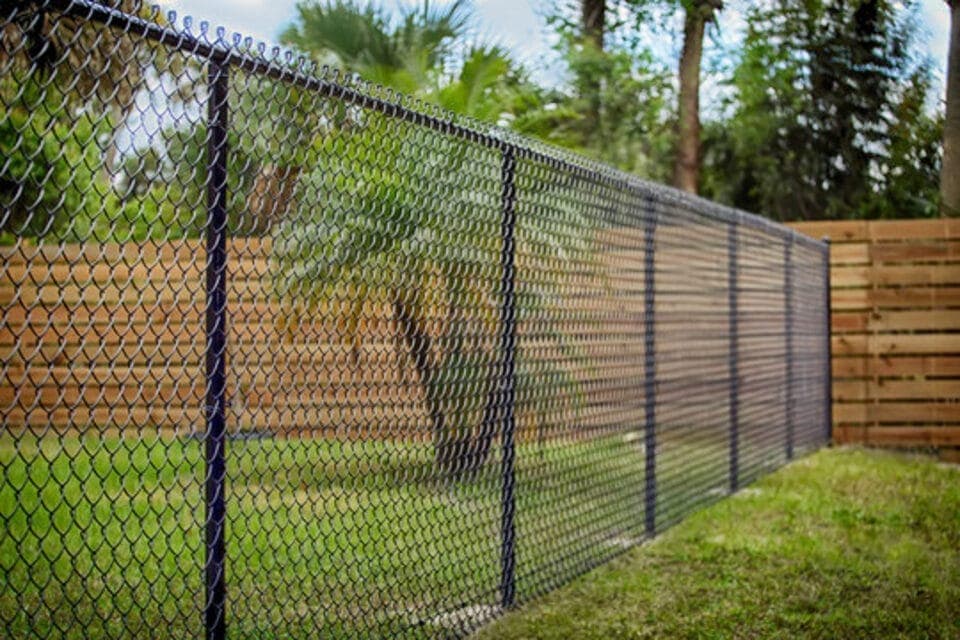
- Heavy-gauge galvanized and vinyl-coated chain link
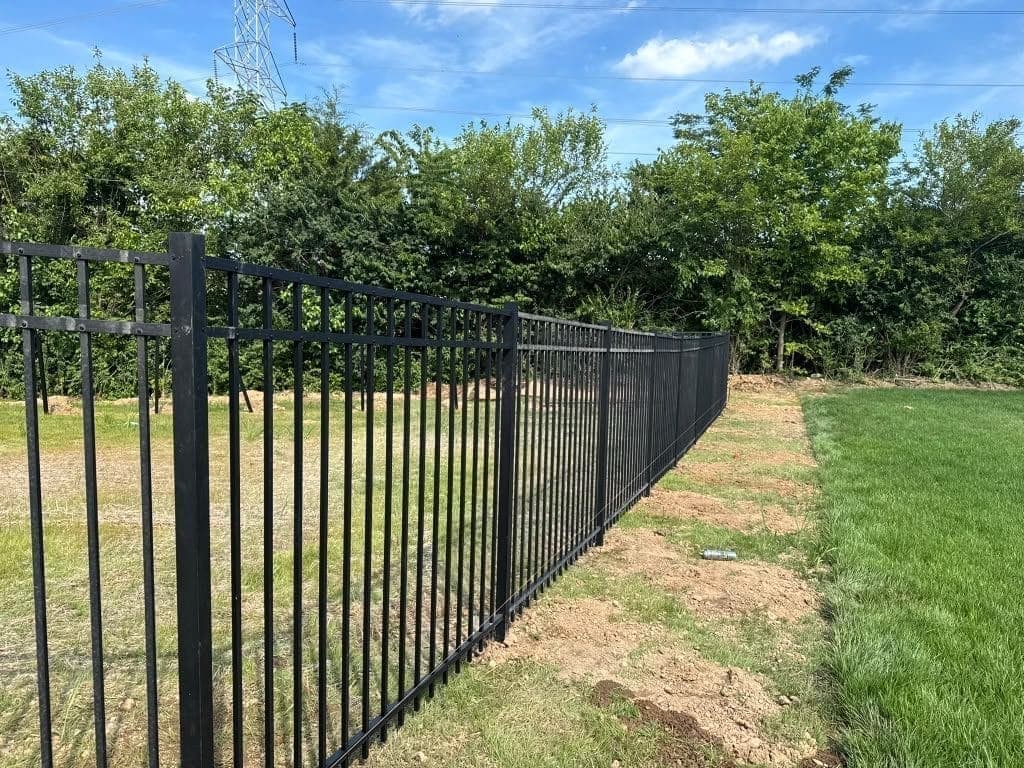
- Ornamental steel where appearance matters too
- 8 ft and taller runs with top rail or tension wire
- Barbed and razor top options where permitted
- Rolling, cantilever and controlled-access gates
- After-hours and phased installs to keep a site running
Sites We Secure
Equipment & Contractor Yards
Heavy-gauge chain link with a rolling or cantilever gate wide enough for a loaded trailer. The gate is normally the weak point, so it gets the heaviest hardware on site.
Utility & Telecom Sites
Unmanned compounds where the fence is the only thing on duty. Tension wire or top rail, close post spacing, and no external foothold.
Commercial Buildings
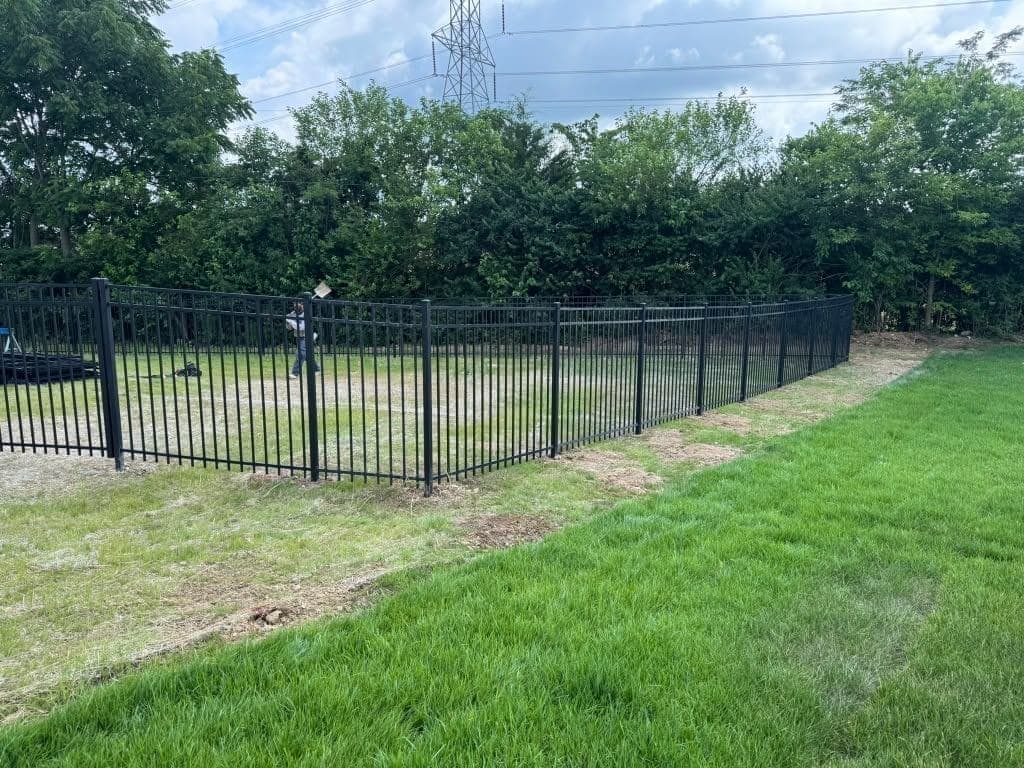
Ornamental steel where the perimeter is visible from the street, so the site reads as maintained rather than fortified, with the same footing depth underneath.
Storage & Parking
Perimeter runs with controlled-access gates — keypad, card, or remote — and pedestrian gates separated from the vehicle line.
How a Security Perimeter Gets Built
Specification first, because the fence you can afford to build twice is the wrong one.
Site Walk & Spec
We walk the perimeter with you, identify the weak lines and the access points, and write a spec — height, gauge, footings, gates — against what you are actually protecting.
Permits & Locates
Commercial fence permits, any electrical permit an automated gate needs, and the OHIO811 locate filed at least 48 hours before we break ground.
Install Around Your Operation
Phased by section, after-hours where a yard cannot close, so you are never left with an open perimeter overnight.
Gates, Hardware & Handover
Rolling and cantilever gates hung and adjusted, access controls wired and tested, then a walkthrough with whoever will be operating it.
Recent Projects
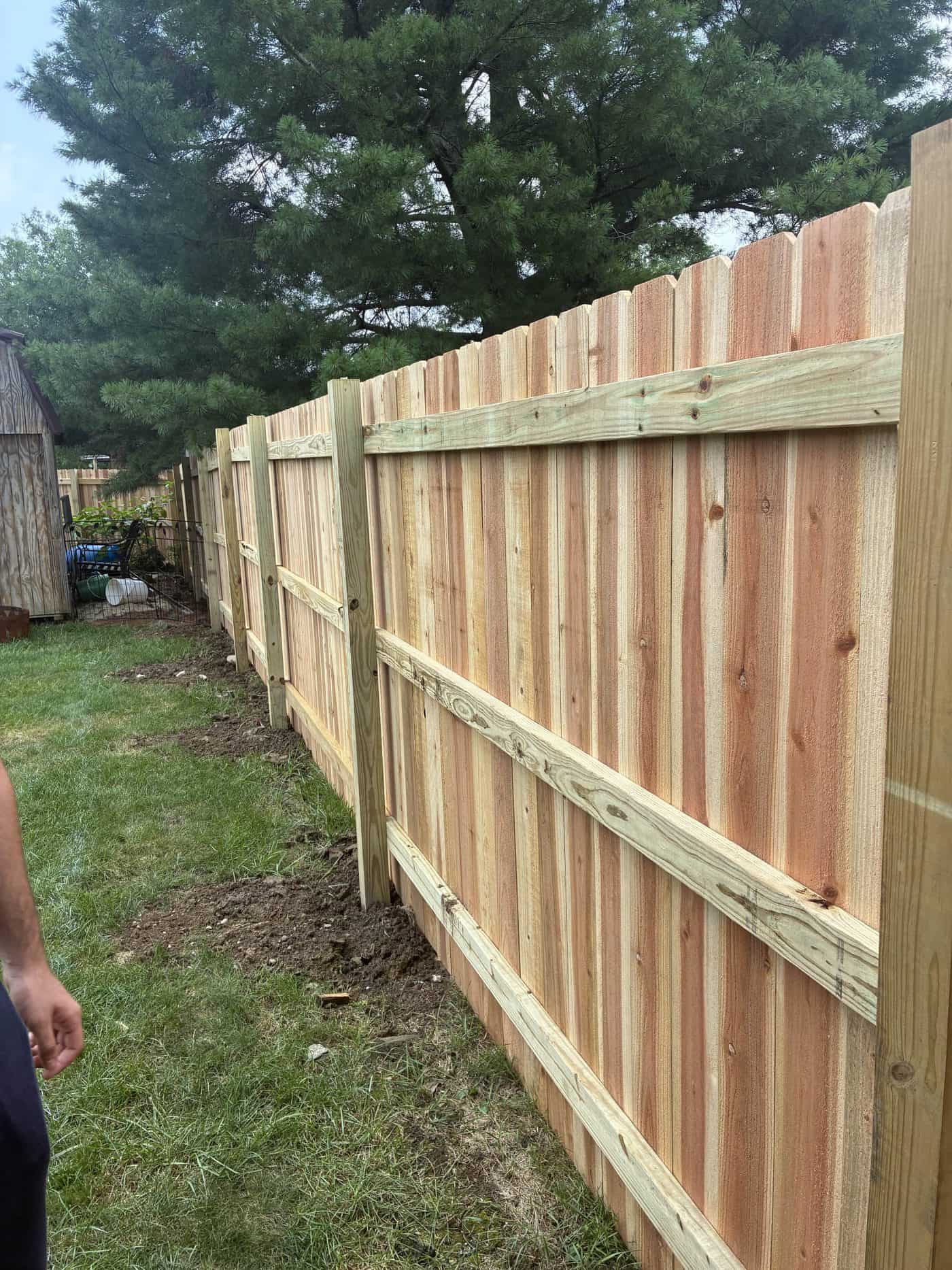
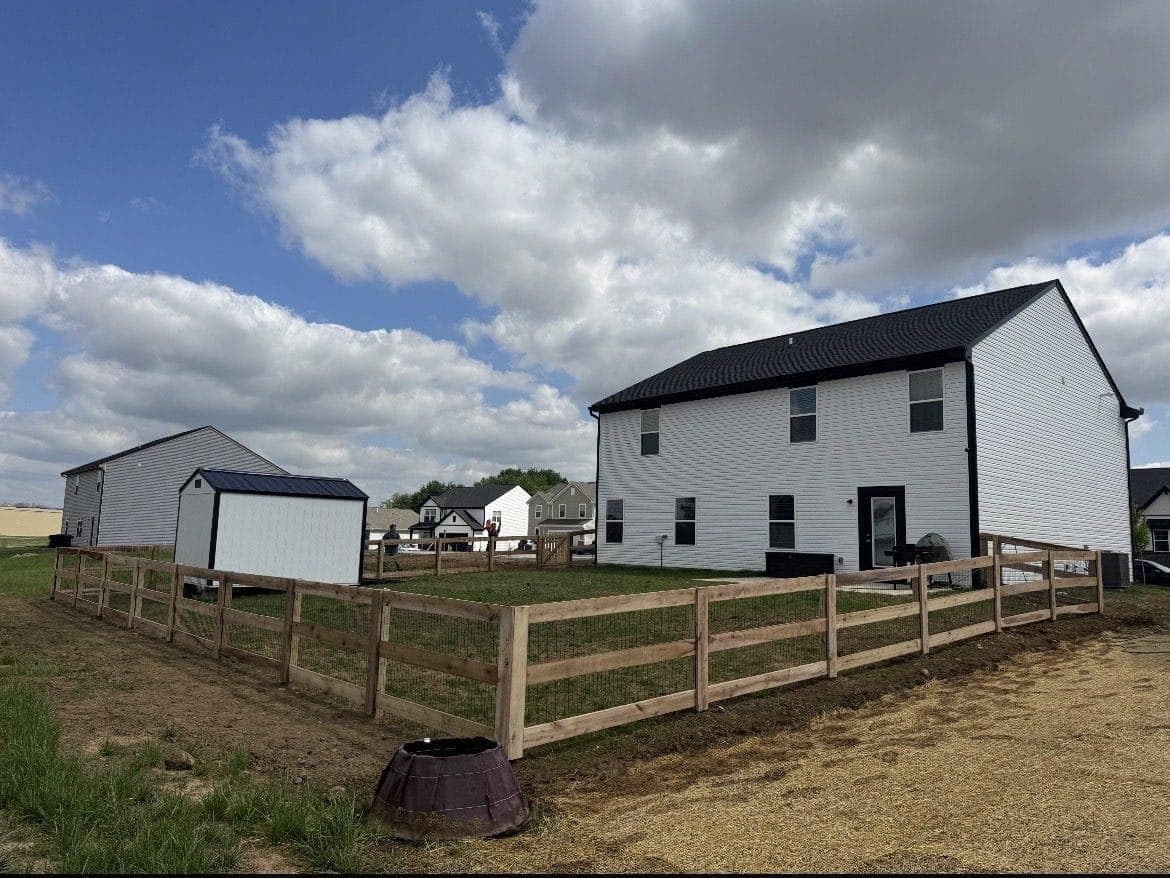
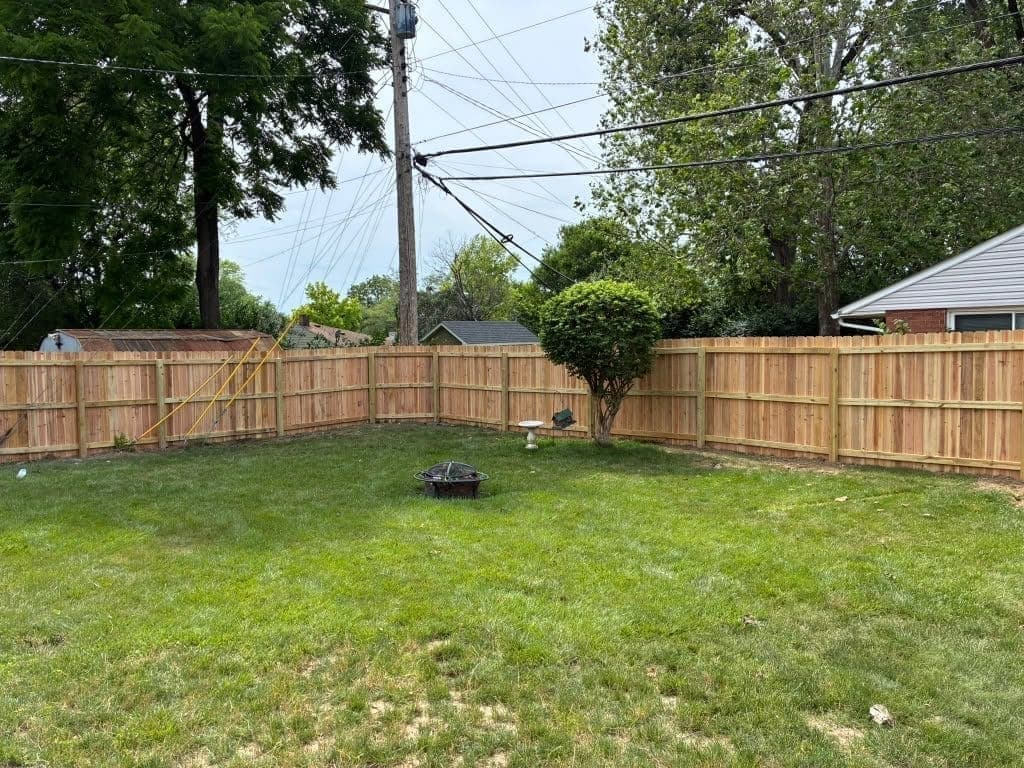
Every fence is built to last. Here are a few recent installations across the Dayton area.
Every Security Project Comes With
No hidden fees, no surprises. Here's what you can always expect when you work with Redline Fences.
Free Estimates
We come to your property, assess the project, and provide a transparent, competitive quote — completely free.
3-Year Warranty
Every project is backed by our 3-year warranty covering both workmanship and materials. We stand behind our work.
Licensed & Insured
We're fully licensed and insured in Ohio, so you can trust that your property and project are protected.
Permit Pulled For You
We confirm the height and setback rules for your address, file the zoning permit, and schedule around approval.
OHIO811 Utility Locate
Filed at least 48 hours before we dig, as Ohio law requires, so every post goes in clear of a marked line.
Financing Available
Flexible monthly payment options make it easy to invest in the project your property needs right now.
Get a Security Fence Specification
A site walk, a written spec against what you are protecting, and an itemized commercial estimate.
- Free on-site estimate
- Licensed & insured
- Fast response times
- Quality workmanship